


Descriptions:
Video Description
The eleventh lesson introduces contract verbs, the words whose vowels collide and pull into one sound. Ammon Hillman walks Madalena through the alpha and epsilon contracts: timao (τιμάω), to honor, becomes timo (τιμῶ), and poieo (ποιέω), to do, becomes poio (ποιῶ). The rule is reduced to the weight of the vowels, where omega swallows alpha and eta swallows epsilon, leaving the iota as the only sound that holds its own enough to survive as a subscript. The student then reads the paradigms and learns to treat a long vowel as a finished contraction rather than a new form.
The translation half moves through real authors. A fragment of Solon warns that the city is not saved by Zeus but by citizens who choose justice, and a line of Menander says the ones the gods love die young. Theognis is read next, where hope and danger are called harsh goddesses who act alike in human affairs, a link the episode says biblical Greek will never show. The session also sorts two kinds of genitive: in the fear of Homer, Homer is the one who fears, while in the fear of the gods, the gods are the thing feared, and only context tells the difference.
The hour ends with a stack of dative uses, the dative of manner or instrument with silence and weapons, the dative of respect that says a boy is handsome in body but sick in soul, and the long list of genitives in the appendix that includes a genitive of exclamation. Homework is unit ten, with real Greek from Sophocles, Menander, and the long vocabulary of Aristotle’s Poetics on the menu, plus the reminder that the lexicon, not memory, is the tool a translator never puts down.
Full Video Transcript
Fantastic. Hey, Madelaine, I just got your, I just got figured out how to get your message in.
Oh, you’re good.
So I’m going to listen to that as soon as I’m done.
Yeah.
Tonight. Okay. So, hey, tell me something. How are you?
I’m hanging in there. I’m all right.
I was trying to work through some exercises throughout today.
And yeah.
yeah good so we’ll do some exercises and put things together now you know how it works i mean
we’ve done this eight times now right yeah we’ve more class than that but yeah more class than that
but we’ve done it to the point that you understand the process so you read unit nine just any general
you know comments you want to make about unit nine yay or no or god it was awful or no
um it wasn’t too terrible uh reading through it but um yeah um there were a couple things
i mean that so basically you’re just learning in nine you’re just learning how to how to create
a contract verb that’s all yeah it’s basic it’s basically a bunch of time spent on changing
morphology that’s it yeah changing the shapes to the end of the word that’s it it’s not really
conceptually you really didn’t learn anything by learning contract verbs because they’re
they’re just going to be like other verbs right they’re going to have similar endings but their
vowel is going to be a little bit screwy that’s all right but they’re still going to have similar
endings yeah so did you learn anything really brand new with that no and that’s how you’re
going to get entire units now like that where you’re like oh this is just building on what i
can already do yeah how is the uh vocabulary coming okay i feel like i’m kind of falling
behind i’ll be like uh doing an exercise and i’m like what the hell is that word and it’s all the
way back and like you know or something but i’m i’m i’m getting there it’s nice to be able to like
pick out all these words and understand kind of what’s going on yes and are you relying on the
lexicon in the back are you relying on the greek lex sometimes if i can’t figure it out it’s easier
to just like look it up please please um you should start getting used to using that heavily
right you’re getting a lot of words now so it’s going to be harder for you to remember
and um use the lexicon get yourself used to it because that’s a skill that you’re going to have
to learn because it goes hand in hand with your translation you’re going to be using your lexicon
until the day you to the day you leave the earth oh yeah you know i yeah yeah yes and the more
familiar or familiar you are with it the better because as you as you can see from the lsj that’s
what i’m talking about alice yeah love love alice she has all of those forms all of those myriad
add forms um under each definition with the authors so you’re going to notice it helps you
to read homer because you know homer’s going to have stuff all over the place and as you’re
reading definitions you’re going to be learning homer so that’s the advantage um biblical scholars
are not going to have that advantage right no it’s so true i mean it’s ridiculous how true that is
yeah because how do they how do they really know what a what a word means just like
gorton and ice what is the act what is the act that’s being performed there with the
byzantine lexicographers telling us it’s fellatio right and that’s why the victorians
that’s why the victorians are writing in fellatio and that’s why jeffrey henderson is noting it’s
fellatio so i don’t know why the christians think that they’re able to get away with being
totally ignorant you know imagine if somebody came along and said oh i’m going to be a physicist but
i’m only going to know one tiny little bit i’m going to be completely ignorant of everything
else right right that’s god who would trust that person right yeah when i found out that the bible
only used like the concordance or only used words that referred to itself at least for the most part
i was i was like seriously i saw somebody made this graph of all the words in the bible and
and how they correlate correspond and it’s just like loops within itself basically it was really
i was like that’s absurd and they use it as proof for it being like a divine word i’m like
so pissed off you can you can see all that stuff the more greek you study the more ridiculous they
will seem and so when you have one of them standing up in front of a crowd of people telling
them this and that and i know that because it’s based on the greek and you know they’re full of
shit i mean you can hear that they’re full of shit it becomes very obvious that people are
deceptive they’re trying to deceive one another and christians are among the most deceitful
and it’s amazing it’s oh god it’s amazing can we i want to read um some vocabulary words but i
wanted to there’s a section of uh i want to give you some so long ah go on yeah tell me something
on 245 no yeah 245 um agon agonos agon agonos that’s a contest or struggle yeah so the agonia
that ultimate struggle what you doing oh did you have that oh no you didn’t have it hang on sorry
chewy just came in the room she’s gonna set me up oh no i can do that i can do that you’ve got
things to do go go go get your work done i will get it um give me one second madeline just no
you’re good there we go yeah no there has got to be can you put this up can you send this to me
so that i can i want madelena to read this to me just put that one that’s a trend that’s a
translation of fragment four um this one you have to have in context so just give me
give me five minutes with so on madalena and if you can read this i’m gonna put it up on the
screen you can read it just out loud to me in english like we’re making an audio book or
something okay is this the one on 253 uh hang on a second let’s see this is part of it part of it
go ahead and put it up chewy oh god this gets me every time is this not prophetic
i want you to read oh okay just like we’re doing an audio book go ahead and read that out loud let
have all the voices in your head hear it our city will never perish because of zeus or through the
plans of the happy immortal gods for our guardian is great of spirit the one born of a mighty father
palace athena holds her hands over us but the very citizens plot to destroy this great city
being dragged off by wealth in their folly the leaders of the people think unjustly and
in their arrogance prepared to receive great pains for they do not know how to restrain
themselves from excess or how to temper the present feasting and peaceful harmony
but rather grow wealthy as they are persuaded of unjust deeds not sparing possessions sacred
or civic they steal snatching away left and right nor do they heed the seeds of the foundations of
justice who silently knows what happens and what has been and comes in time always avenging do you
want me to continue yeah do you do you mind or i can continue i don’t care there comes a wound
a wound unavoidable presently to every city which goes quickly into wretched slavery
which awakens civil discord and sleeping war which destroys the lovely youth of many
for in meetings that are dear to the unjust a well-beloved city is swiftly laid waste by
our enemies these evils then run among the citizenry many of the needy go into a foreign
land sold and bound with unseemly fetters and bear by force the shameful labors of slavery
thus this common evil enters every house nor are the outer doors still willing to hold it out
it leaps a high fence and even if a man should flee into the corner of his inner chamber by all
means it finds him these things my heart urges me to teach the athenians how unsound governance
gives greatest evils to a city sound governance shows everything orderly and suitable and often
binds fetters around the unjust and levels off the unequal, arrests surfate, tempers blazing
arrogance, withers the blooming flowers of ruin, straightens crooked judgments, makes prideful
deeds to be mild, arrests the works of dissension, stops the bile of torturous strife, and so it is
that through it everything concerning humans is made wise and harmonious isn’t that nice isn’t
that nice and there she is look at look at palace athena there all right gorgeous absolutely
gorgeous okay bring it back to the vocab and then you can get on your stuff um what what’s
your impression of that um talking about so long yeah so long talking about uh justice and greedy
bastard did you think it was me did you think i made that shit up no there’s no come on man
no way those lofty thoughts were coming through so long who the athenians asked to set up help
set up their democracy nice yeah absolutely gorgeous and every time somebody puts a comment
on lady babylon says you can’t talk about this political stuff they’re doing so because they’re
trying to keep that um poetry that you just read those thoughts that you just read they’re trying
to keep that out of the world they’re trying to push that away from civilization and it was people
like tom jefferson who read so long said hey um declaration of independence man right so yeah
fantastic so if you what am i doing let me get you up here what am i doing with you right now
we’re just reading english right one component of a graduate or undergraduate one component of
a classics program period is that you are absorbing the literature and the way that you
the way that you do that is to hit the english to saturate the english english is your tool there
use it you need to saturate you need to be reading translations and a lot of students start off and
they say well i don’t want to i don’t want to corrupt myself with a translation right
it no no that’s that’s not the point you’re at the point where you need that translation to give
you a background about all of this literature you’re going to be reading things in english
you’re going to be reading things in english that you’re not going to be reading in greek right away
you need a familiarity who you need to know who solon is and what he said because a lot of you
you know, say you and I read a passage of, you know, I don’t know, one of Aristotle’s students,
and they’re talking about constitutions, and somebody mentioned Solon. Now, if you don’t
know who Solon is and what he said, then that’s not going to ring true in your ear. You’re not
going to get it, the translation process of whoever you’re translating. So you need to
carpet bomb your different fields of Greek literature, right? Cultivate a habit. Right
now during this intensive course, you may not be able to, but as you step out of this,
cultivate a habit of reading in english in translation classical authors okay just as a
habit pick them up the ones that you don’t like don’t pick them up again the ones that you do like
pick them up as much as you want okay but broaden your broaden your awareness of what’s going on
in the greek literature there’s so much of it you have to do this you have to do it any any
do you understand that yes okay beautiful beautiful okay let’s go back to the vocabulary
and pack some greek vocabulary so um you go ahead and do the words okay
yeah do you see how the word is the alpha privative that negativizes that Alpha on
of it and then it’s just deke the root for justice good yeah i love ghosts i love gone
unreasoning or irrational reasonable just the alpha privative right just the alpha privative
go ahead barbaros barbaron uh non-greek foreign yeah bios life means of living yeah life for a
means of living bios is huge and if you just want to remember it right now as life that’s
probably the easiest but yeah it’s you’re going to see it used in context like weirdly where
translating his life doesn’t really work so anywho keep going i’m sorry no i’m not sorry that
go keep going daimon daimonos god or goddess or divine being
hated hostile or enemy
very nice
twin or conquer
yeah like Athena Nike
or as people say
yeah
as they say now Nike
right
whatever
right
good
This, onoma, onomatous, name, autos, aute, tuto, this or that.
Yeah, autos, aute.
Notice it’s got a rough breathing.
Oh, I see, yeah.
Kutos, okay.
This or that.
Look, make up your mind.
Is it this or is it that?
I don’t know.
Okay, good.
uh so hoto and the adverb is in this way so or thus
yeah the absalom of yodas of uh diphthong a a trial attempt experience
Empiros, experienced in, impero.
Like the word empirical, right?
Yeah.
Empiria, imperias, an experience or practice.
saying to make or do and that’s probably one of the most common verbs in greece yeah oh yeah oh so
yeah yeah just to do in general to make or do good yeah let’s see gay silence
The honor, tropos, tropu, way, manner, character, hudor, hudatos, water, hydrology, and all that kind of stuff.
Hydrology, yeah.
Hupere is over, above, or beyond, or on behalf of.
I missed any. I don’t think I missed it.
No, no. Notice it can be used genitive or accusative there.
Mm-hmm.
Right?
Yeah.
that accusative meaning really extends into the beyond all right to be beyond something
you know yeah fantastic let’s look at vocabulary notes see if there’s anything good um there’s the
alpha privative mentioned in the second second note there with the alpha privative prefix good
so so you know i’m not misleading you um barbaros barbaron the non-greek or foreign
an onomatopoeia word yeah so again it’s not me making that up to them right to them it was that
way because that’s how it sounded to them the noun bios life means of living for either person’s
manner of life see that’s why it doesn’t actually mean life like we think
what was his what was his life like i think that captures it what was his life like in english like
what was his manner of living like right but look what they put one’s livelihood yeah so
it’s kind of sticky a little bit sticky just translate it as life and see if you can
make that stick the noun daimon daimonos can refer to a god or goddess but more frequently
denotes an unnamed and unspecified divine power and they give you the greek sun daimony
with literally just with a god right with with a daimon right so you know okay the noun can also
refer to the power which controls one’s fortune or destiny good daimonites are really not understood
right because look they’re also the deified souls of the dead so you and i don’t have this we don’t
i think the worship of the saints is the closest you can get
yeah you know and maybe and that’s not even you know this is much more personal those uh
those so those divine like intermediaries yeah those deified powers that were not always divine
you know i mean that’s kind of category okay and i think look in look on page 247 here i’ve got it
In the middle voice, poieo is often used with a verbal noun
to express the idea of the verb for which the noun is derived.
So what?
Show me the example.
Thusian e poiunto.
So e poiunto, they were making sacrifices.
Sorry, they were making a sacrifice.
So they were sacrificing.
See what I mean?
couldn’t couldn’t you just put they were sacrificing here but they were making a sacrifice
yeah what’s the difference between making a sacrifice and sacrificing i mean the action is
the same thing but the emphasis in this case when it’s used in the middle is on the action of
actually performing the sacrifice all right whereas if we just had they sacrificed up here
in greek all you’d be thinking about is the sacrifice is finished right just sacrifice
you wouldn’t be thinking about the process of sacrificing but here with poieto you do so it
kind of puts emphasis on a specific action that’s all it’s like think about what they’re doing here
okay then there’s you know cognates and derivatives at the bottom good good good we don’t need that
we need to get jump into the fray here and i want you just to look at the forms real quick i’m not
gonna read this because you know it it’s already sunken into your head look at 231 we’ll just start
with that alpha contract look there’s alpha epsilon and omicron contracts that you’re gonna
have to learn this is the alpha pattern look at its principal parts on page 231
look at that now just sit there for a minute you you’re asking about accents you know and
you’re thinking what happened with this one this one moved three syllables from the end that um
aorist boom it’s moving the accent’s moving one syllable back see how it’s t ma oh it’s on the
second to last t may so second last a t mesa why did it do that it’s moving its accent back
it has to do with the weights and sounds this is all part of the music of greek
yeah anyway that’s why i wanted you to hit that accent
to honor good these are alphas now just jump down just jump down to 232 where the box is
unfortunately this is what you should really memorize from this chapter yeah right not the
you don’t have to go through all the paradigms you should be able to work this chart so all
this chart says is when you contract an alpha and epsilon you get that lengthened alpha right when
you when you do an alpha epsilon and yoda you get an alpha yoda alpha eta turns into an alpha alpha
80 yoda turns into an alpha yoda okay well i see at least they’re saying consistent with the alphas
right yeah what about on the other side what happens when you put an alpha with an omicron
you get an omega it lengthens it to an omega right alpha omicron iota lengthens again look
there all omegas on the right side that’s what’s happening so as soon as you step into an omicron
or an omega your alpha is going to give up yeah right from alpha to omega well that alpha does
not hold the strength that the omega does the omega is the big black hole of the vowels it sucks
all of them in i like that the only one that seems to have any staying power is the iota
right notice there’s an iota subscript so maybe in this vowel you could still hear a little cry
of the iota so iota special iota special anyway okay look at the chart on page 232
you see the endings timo timis timi timoman timate timosi and you’re going to look at like that first
person plural timoman you’re going to see that omega and you’re going to think oh shit this is
a subjunctive no it’s not it’s just a contract and the vowel is messed up right tima tima oman
or tima amen i should say to focus on the omicron is is taken and truncated and shortened into
t moment with an omega fantastic you gotta just notice these contractions and how they work
yeah the same and then look what the middle passive is just you’re using your my side time
time Memphis the untie endings all right memorize that those are your middle passage my side time
and your vowels that are changed right there’s omegas and alphas here alphas and omegas in that
Alpha contract they’re just showing you how to make those contracts notice there’s a they’re
yelling at you at the bottom of the page yeah just note that whatever okay then they give you
the imperfect on the following page and again it’s just contraction you’re gonna see the contractions
and how they you know when you look at etimon you’re gonna think oh is this a is this a
participle is this a masculine nominative active participle oh god etty moon etty moon
right no it’s not it’s a contract from alpha so they’re gonna they’re gonna be a little bit
tricky and you’re gonna be as we do exercises i want you to be flipping back to these pages and
saying okay yeah i’m gonna have to moment yeah did you have to do that before prepping
fantastic fantastic underneath that present subjunctive all right look at them look at all
their endings this is going to confuse you again look at third person singular right t my right oh
god it’s the contract of t ma plus a because all you’re contracting is your subjunctives oase a
omen a to o c and those are all those are all turning like the alpha is turning those aidas
into an alpha yeah so it you know it may not look to you like it’s a contract notice that alpha
that alpha is going to carry a weighty accent to it right it’s got the look how it’s got the
circumflex over it that circumflex is an indication that that vowel is heavy right it’s got gravity
but a heavy alpha is always going to give into an omega love it okay um same thing well guess
what it’s all the same look at the present optative on page 234 you see how the oi turned
into oi right oi turned into oi right oi oi oi oi oi oi yeah it’s the same thing now they tell us
oh wait a minute there’s alternate endings are you kidding me look at the oar the big oar in that
chart yeah oye noyes oye what do those turn into oye noyes oye all right okay i think you’re gonna
have to be turning back and forward looking at looking at charts 1.5 million different unique
word forms right those everything giving a slightly different nuance right it’s wonderful
present optative middle passive go down to the participles page 235 okay and look at the
participles timon is tima plus on so it’s just timon well okay wait a minute what about ah all
right timon timosa timon okay i can we can make the adjustments in our head look at page 236 those
are the middles right middle passive timomenos timomene oh what happened there do you see this
on page 236 here look at the participles here yeah for that nominative masculine singular
see it’s got the accent over the omega and then many look at shifts its accent shifts somehow
yeah and why is that um what can we conclude right the accent’s getting pulled in the team
many it’s getting pulled to the end of the word there’s something heavy at the end of the word
that’s pulling it and that’s what the ada is right it’s that that middle that’s middle passive yep
yeah look at it look mini right see the ada because it’s heavier than the omicron here at
the end of ominous because it’s heavier it’s going to pull that accent interesting when it switches
back to an omicron at the end the accent’s going to want to leap back accents want to go to the
third from the end don’t ask me why it’s the music no i’m serious it’s the music of the thing
i don’t get the grammarians talk about this shit all the time and when they do it is so
fucking complicated yes and that’s interesting for sure yep good okay all right um look at
i’m going to we’re going to take a break in a second but look at page 236
and we’re going to start with epsilon contracts okay now as we do epsilon as we do epsilon i want
you to notice again there’s a box what you have to memorize is the box the epsilon epsilon creates
an epsilon iota when you get an epsilon epsilon iota together it just becomes an epsilon iota
right look at the epsilon and the eta it it thins into the eta right why because eta has greater
gravity than epsilon and it just sucks in that epsilon to become eta that you can’t tell the
difference and remember look at the sounds here it’s epsilon iota a or a plus e a a a
versus an eta which we say in english is a so our english doesn’t really distinguish between
these sounds right so um that’s our fault but to the greek here it does they can hear the difference
is that the iota yeah it’s partially it because look they put the you know subscript down here
right that gravity of the eta isn’t able to swallow completely the iota it’s it’s it’s it’s
cool it’s cool what about the epsilon and the omicrons well look look at the alphas they’re
different becomes oh wait a minute seriously
yes yeah yeah at plus oi becomes oi oi oi it’s just it’s just a big why because oi is a diphthong
and diphthongs have greater weight in on those on the scale of the weights of vowels
diphthongs have greater weights so look they’re just swallowing the epsilon see the oi just
swallowed the epsilon the oo swallowed the epsilon the omega just swallowed the epsilon boom
okay does that all make sense yeah yeah pretty easy to comprehend then we get the forms okay
you’re gonna have to seriously yeah you’re gonna have to know right poi ace becomes poi ace
right right boy omen becomes poi omen right so we’re just tuning the language
yeah boy at uc that makes sense that one just turns into poi uc why because the epsilon just
gets absorbed yeah yeah no i’m telling you we’re gonna have to go back and forth and identify
because you’re going to forget umen. So how do you make your way through this morass? I’m going
to bring you up. How do you make your way through this morass? You have to be able to look at the
verb and say, oh, wait a minute, this is an epsilon contract. How do you do that? The only way to do
it is to memorize the principal parts because the first principal part, if you’ve noticed in the
vocabulary will always include its contract vowel yeah like on page 245 at the bottom of the page
you got t-ma-o that first principal part that’s you’re never going to see t-ma-o right you’re
going to see t-mo yeah you’re going to see a contracted t-mo yeah right but when they list
them in lexica because these are contracts and they know there’s a vowel there they go ahead
put the show you the vowel which i think is great because then we don’t have to try to figure out
which one it is so when you are memorizing vocabulary like we’ll have a vocabulary quiz
when we get back from this break when you memorize vocabulary the principal parts will cheat and tell
you that it’s which contract it is um in this chapter we get nikao to conquer right above that
we get adikeo that’s an epsilon contract timao at the bottom and then above that poieo
right we’ve got our epsilon and our alpha contracts okay let’s take 10 minutes about 53 54
come back and um we’ll do a little vocab quiz and then i want to move on to exercises and just
reading greek okay yeah okay great let’s do 10 minutes okay see you back cool all right okay
back we are back we are okay i need to bring out the text boom okay so did they give us anything
extra to play with yeah they gave us a couple of things look on page 239 that’s your demonstrative
adjective slash pronouns meaning this yeah it’s the one closest right and sometimes
it really is indicating something negative but anyway hold the hater totally hold the hater
totally look at the masculine forms whole two toy tone look it’s just the
the article yeah just the taffinet article just slapping it on there just like you can
just like you can um to make any word in greek right you can use you got to get used to this
using the system yeah good and they’ll tell you just look at the greek examples below that
these brothers right these brothers did something right
ace tamed tennyson to this island right to this very island all right yeah and also just be used
as a pronoun on page 240 tamed right you will stop tamed this female you know right here yeah
stop this one love it okay below that on 240 is the demonstrative adjective slash pronoun
and this one is extremely common right and they tell you depending on the context it can mean
this or that it indicates someone or something close at hand or in the speaker’s thoughts but
it does not emphasize that closeness as much as the demonstrative hold it all right so is
is it a this yes it is but it’s not so much of a this right here as hold it is
right hold is this thing right here that i’ve got in my hand look i’m holding it
right okay yeah look what they say it’s equivalent to this or that in the sentence
sentences i met this man you know
it’s just funny how they’re trying to get you to learn right um so here are the forms of it
and guess what they don’t look odd right right look it’s just yeah good good good yeah this
oh god right this one good um the endings are in almost every case yep we don’t need to see that
okay um go down to the demonstrators compared i want you to know that on page two yeah and you
get there at canos you get holiday yeah who toss right and i want you to notice in bold that on
page 241 in bold under a canos right just look at the bolts that you’re talking about that person
like someone or something relatively far away isn’t it interesting they’re demonstratives
relatively far away versus really far away right versus up close versus really up close
i mean yeah right here and to what you refer yeah yeah good that horrible man
that horrible that guy right that old dude like he’s a pedo or something right
just with
just with that demonstrative
pronoun slash adjective
whatever describe someone
or something good just look over the chart
you’ll love it okay
a little grammar that we need to learn
the subjective genitive
the subjective
genitive at the bottom of
page 242
okay just look at the example
what is the subjective genitive
okay
the fear of homer right the fear which homer feels therefore homer is the subject
right he’s the subject of a verbal action homer is afraid it’s fair to say homer’s
afraid or homer fears right when you get homer the fear of homer look at the next one the
sacrifices of the greeks all right they’re the subject when you say the sacrifices of the greeks
the greeks are the one performing the sacrifice that is a subjective genitive now we’re going to
have the opposite we’re going to have an objective genitive and that’s on the next page 243 just look
at how you form it hot on the on phobos the fear of the gods is that the gods being the subject
and being afraid no it’s you and me being afraid you and i i should say fear directed towards the
gods they are the object right does that make sense yeah sorry can you tell the difference
so how can you tell the difference right because the subjective genitive is in the genitive
and the objective genitive is in the genitive okay how can you tell the difference right the
context is going to really the context is going to make the difference if you see like on page 243
if you see the fear of the gods just translated as the fear of the gods yeah okay you don’t have
to tell me because we’re speaking barbarian you don’t have to tell me that that’s the
what’s going on you don’t have to specify it yeah the gods aren’t the ones fearing
exactly right it’s the they’re the object the fear of god is that which i fear god right so it’s an
object god’s an object there yeah yeah kind of neat objective versus subject is okay and then
they give you in this chapter two the date of manner right it just tells you you can indicate
manner how an action takes place in what manner what do you mean look at it to toy toy tropoy
just look at that’s your dative of manner in this way they translate it in this way that’s how i
wrote this book that’s the manner i wrote this book in right oh god yeah
they tell you that you can use prepositions that you often use prepositions with this
look at the second to last paragraph it says in general have renounced blah blah blah look at the
greek soon dk at pimp face yeah they were sent soon dk with justice yeah how were they sent
these data this data of manner is just asking the question how in what way or how did somebody do
something they did it by look at the one silence at the bottom carefully distinguish the data of
manner from that instrumental dative oh god look at that okay just hang on just appreciate for the
a minute like the slight difference here between between these two sigue up top the first example
in silence is a dative of matter how was it done sigue it was done with silence or silently
that’s a dative of manner but what is hoplois under it with weapons how was something done
with weapons technically this isn’t the manner it was done this is the instrument by which it was
done okay with weapons so see how they’re they’re different constructions but they’re they’re both
datives wow okay is that you do you feel i get it okay good keep going then to 244 let me give you
one more dative this is the dative of respect it indicates the respect in which a statement is true
what oh god seriously how do these people function look at the example example toy
mensomati with respect to his body toy mensomati just take out the men from it just toy somati
with respect to his body the neoneus is kalos with respect to his body but he is kakos with
respect to his psyche did you get all that yeah yeah right he’s kalos he’s got bad soul
yeah he’s got a bad soul right and a beautiful body and a beautiful body are there people like
that in the world for sure yeah this boy is look this nanny is is right he’s not he’s uh he’s got
to work on his soul man um but he is he is something to look at though you gotta give him
that right you get points for looks right i mean so this is the dative of respect with respect to
the body so you’re like how do you know if it’s manner or instrument you know or respect is it a
dative of respect well guess what yeah guess what i’m gonna flip your mind i want you to go
i want you to go to the appendix okay just really quick and i want you to look at the
date of case in the appendix because they’re going to give you all of the date of cases
oh i see i found it okay you found it look through it just look through it just
is it a lot is it a lot uh how many do we have in the data yeah what page you want give me a page
well oh 703 some 19 yeah 703 okay all right you’re gonna have to learn all these different
uses of the dative look back at the genitive before the the date of genitive goes back to
page 694. look at the genitive 94. one two oh genitive does yeah one two three four five six
seven eight nine twenty three eleven twelve thirteen fourteen fifteen oh god it just keeps
going and going and going those are all genitive cases well okay okay you’re going to be learning
those throughout this text so get ready now you’re you’re you’re asking me you’re like okay
cognitively i can say what are these what are these forms what do they look like i need to
memorize more i can read through this list of the 20 something genitives that i’ve got here
laying around that i’m going to use there that are the universe the cosmos of the genitive right
yeah you can try to memorize those or you can read through that list and you can ask yourself
what’s the commonality right what is the and that’s the way they approach it right when they
give you those little charts showing you this is what the genitive does this is what the dative
does this is what the accusative does they’re giving you they’re trying to give you a sense
of the genitive how the genitive works yeah that you can get by just reading simply going back to
the appendix right and this is not something this is not something that you’re going to get
except in an intensive course yeah right so like on page 698 just look at page 698 at the top
did you know there’s something called an exclamatory genitive no you didn’t know that
right before now this is why you’re taking greek so you can learn that it’s just an exclamation
in the genitive case you just have a word sitting there in in the genitive case and
how do you translate it well try a genitive of the exclamation right what do they give you for
stupidity stupidity you’re so goddamn uneducated amathia right taste amathias what fucking
uneducated moron am i dealing with right they’re packing that all into the genitive now ask
yourself why why the genitive case do you remember the little box that’s uh it’s in the it’s like
with right yeah what was that little box they had a box and they had an arrow with the direction in
that that was accusative and then they had yeah the dative sitting right in the middle of the
box just sitting there or maybe it was away from out of right yes yes so the genitive case is away
from this stupid person that we’re making an exclamation about is outside of our group
do you get it yeah nice there are nuances to the genitive case there are nuances to these
genitives there are nuances to the datives there’s nuance nuances to the accusatives right
the those are those are the oblique cases the nominative is always just going to be the
subject the nominative is boring and if you’ll skip back if you skip back in the
just a couple of pages to page 693 look at the nominative look at how much the nominative can be
right it’s it gives you it lists it lists five and then six seven eight which are just little
tiny they really are all the same thing subject subject you can be a subject asshole right you
be a predicate a subject subject predicate oh god you’re basically a subject that’s it right so
that’s why they never include the nominative case in those diagrams it’s only the oblique cases
the ones that aren’t the subjects all right it’s how they use those tools how they use those tools
yeah and you’re again you’re not going to get this in biblical greek right they’re not going to
they’re not going to go to this depth um yeah just the way it is okay fantastic now that’s all
the grammar i want to stop for one second and i want to ask you how do you feel okay feel great
you feel awesome good are you ready to dive in and do some translation yeah you didn’t quiz me
on vocab though oh i didn’t quiz you on vocab thanks for being honest yeah thanks for being
honest just go to page 245 and cover the right hand side of the page i know you’re just learning
these but i want to see how your retention was from looking at them once or twice yes okay so
245 cover the right side of the page right and what about nikao the verb nikao to win good how
How about the verb poieo?
Poieo.
Is that do?
Do.
Good.
To do.
How about at the top, the verb adikeo?
Do wrong.
Good.
To do somebody wrong, right?
Just, yeah.
Right.
And what about the noun at the bottom, hudor?
Do you remember what hudor is?
Water.
yeah good good hydration and all that one more this one’s not so easy you may not remember it
the noun in the middle onoma onoma name name god god good yeah george just perfect okay enough
that’s all i wanted now let’s go to get into the translation what do you want to translate first
shall we do some exercises or would you like to go immediately to the actual greek so i did a couple
um of the greek ones i didn’t do all of them or anything but excellent you shouldn’t you shouldn’t
yes yeah and how were they before before we actually do greek how were those greek ones
they were they i liked them because they made sense god that’s important yeah no that’s what
we live for right is to make sense yeah which one made the most sense take me to the one that
made the most sense to you and teach me greek okay um okay the most sense i’d say would be
the first two um and then the uh on 255 the menander on the yeah the 583 the menander
right because that’s menander that was also a short one so notice notice also though that
you’re going to be picking out authors that you like or the style is easy for you
notice which ones those are because that says a lot right um let’s do the menander to start with
then this is i think 583 on page 255 yeah okay go for it okay so um whom the gods love will die
young is is it will die there’s only one slight it’s perfect i love it there’s only one slight
which tense is that that’s a present tense right yeah i couldn’t tell if it was present or if it
was future because it’s got that sigma in it and it’s throwing you off yeah yeah here’s something
going on here the sigma kappa duo is going to show up in verbs and it’s i think they call it
iterative anyway you’re gonna see this um frequently this little pair so the first
principle that’s why it’s so important that you know the the principal parts look at the
vocabulary this that first see it’s the first ones look what it does um look at what it does
in the second it’s got really goofy principal parts apothanuma it converts to a middle converts
to a middle think about that for a minute you can die you can die in the present in the active yeah
but when you die in the future it’s got to be in the middle is there any guesses on the reason for
this um i don’t know good answer okay so just translate it as a present yeah i’m yeah okay
yeah so the whom the gods love will die no dies young dies young yeah i don’t know i said that
cut off young and so will okay it kind of is a prophecy you know what i mean so i can see
why you want to make it future that makes sense okay let’s go backwards you also said for now um
i did theogonus you did theogonus you said right yeah i did that one okay let’s do hang on a second
while you’re doing that i want to get precise i want to get a precise date here go ahead and
read it in greek first too well peace kai king dunos in anthro poison
now the first word is hope right but it also means expectation so i use that
expectations even in danger in humanity is similar to that harsh goddess both so okay here’s what i
want to do i want to do a couple of things put a stop at the end of the first oh i see yeah that’s
a complete sense unit so just translate that by itself yeah okay so it’d be um oh i see
okay um oh um so like at hope and danger um what is your verb uh is it invisible b there you go
yeah so opening and danger are similar yes in humans yeah and that little expression in humans
it’s like among among human society you know within human society yeah you know yeah in humanity
yeah right so look you just made complete sense of that right now that’s the agonist which i just
reaffirmed his dates and he’s six the fifth right so he’s dying like four i think it said 480
483 something like that he’s dying so he is living um that sixth century reality
he’s these it’s important because this is the foundation for what eventually becomes the
democracy right this is the greek world’s attempt to come up with concepts that will ultimately in
athens become the democracy right hope and danger expectation and danger are the same
in mortal society how’s that that’s what the gar is saying on the next thing
four now it’s going to tell you why is that the case now you do this so for this um
where’s your verb um is it also invisible excellent okay so so this make it plural these
these uh these daimon daimones so these divine beings are harsh goddesses yeah yeah right for
These both, yeah, these both are, you know, terrible goddesses. Yeah. Right. I love that. Hope and danger. Expectation and danger. Love it. Right. Oh, God. So look, you made perfect sense of it.
that’s the agonist and that is something that bible scholars will never touch but look at how
critical it is it’s basically defining in the greek language hope it’s defining that term so
if you don’t understand that the people who were living in the first century when jesus is doing
is hoo-ha yeah those people are exposed to this through the language to these ideas hope all right
what is hope it’s not always good it came out of the jar of evils of pandora right so they’ve got
they’ve got this in their minds they’ve got the agonists and if you don’t think so all you got
to do is look at the greek literature that quotes quotes the agonist right quote yeah yeah okay you
want to try one more the solon fragment sure i did that one i did a couple other ones too but um
yeah let’s do this all on one so
okay now stop there yeah here’s what i want you to do you pronounce all of those words correctly
now i want you to take the next step and i want you to try to run that together okay
Good. Good. Next one.
Oh, my God.
Look, look, look, look, look.
Sorry.
Good.
a domain and and pedon I a no matter done through pond then a ton through pond
I’ll load hey I lost a hey nice nice very nice very nice okay there’s a lot
of words here why don’t you slowly translate this to me okay or for many
are for many wealthy are evil and poor are good yes you’re good you’re good so far what do you
think about that there are a lot of there are a lot of cockoy who’ve got money and a lot of
good people who don’t who are pin on tie by the way that word pin on tie we get penury right
being poor being poor good some british son of a bitch just reached down and grabbed that out
of the greek and bastard stealing everything okay let’s keep going um what’s that second
line translate as so um from from others we are exchanging um okay can i stop you for a second
let me let me stop you for a second because i want you to see i i mean i want your voices in
your head to see that this verb look at the amebo right what is this it’s just amebo and dia right
and it means to take in exchange you’re going to take an accusative for a genitive with a dative
that is usually yeah what what i see that down there
you know the formula now you know the formula now so so try to put that together for
an exchange with i don’t know uh so just the verb itself hang on just the verb itself
yeah yeah map so mytha let’s identify it it’s gotta be a future right yeah
okay yes but yeah so um is um um one that we just learned right yes
that’s good first person my site i methus the untie metha first person methus oral yeah so
it would be we yeah from we are exchanging right yes but it’s and where’s our accusative thing that
we’re exchanging and it’s got the oo on it right so we’re not doing it yeah right um others we’re
exchanging with others um hang on before you get to yes yes i mean you are but you’re jumping ahead
let’s do it in the order of the equation so let’s find the accusative we’re going to exchange what
something in the accusative we we will not exchange what find the oh and by the way on
this sentence goes all the way to the next line halfway okay uh excellence or virtue so no no no
what cases excellence or virtue in um that’s in uh is it data no no no no genitive genitive yeah
gosh so pluton is your accusative okay so exchanging with pluton good we will not exchange
yeah oh okay what is pluton not exchange yeah that makes more sense
all right yeah so i forget that oh is not okay um and notice by the way by the way something that i
let slip here that i shouldn’t oh okay the second no i mean i i just i just ran over it without
making note of it on the second line the second word is hey mace which means we yeah and it is in
the nominative case it’s your subject and you say wait a minute but we don’t need to say we
because we know that dia may psalm has to be yeah so why are the greeks putting we twice why are
are they using their pronoun our no no no no go down to him ace it’s always going to be we it’s
always going to be the subject right they just haven’t taught it to you yet you’ll get this in
the future it’s got to be just for now no it’s got to be a nominative so if if dm a psalm of
means we will exchange why do we need to put hey mace which means we again it’s the way the greeks
have of emphasizing the subject saying look this is us raising their hands saying us they don’t
have to do that if they just put we are going to do something they’re not saying hey we are going
to do something so the real emphasis here is on the subject we what do we have to do as a
responsible people we will not exchange pluton yeah for oddities see how odd it is yeah yes
yeah yeah that’s great and that’s where and then you can pick up in the second line the out toys
right right you can pick it up there with with them yeah good good we will not exchange
that wealth virtue no no we won’t oh god epi now keep reading epi is that right um no no no this
is a good exercise go to the back quick go to the back go to the back find it oh god find it where
is it look it up for me in the lexicon if i get there first if i get there for something after
okay there you go see i told you you need to be using that lexicon good because you’re
look until you hit until you repeat stuff seven eight nine times it’s not gonna stick so you you
You know, don’t don’t say, oh, sorry. Absolutely not. Sorry.
It’s you know, it’s just a matter of repetition.
As Cicero said in Latin, repetition is the mother of learning.
OK, shut up, Cicero. He also thought Greek was way advanced.
Anyway, fantastic. Go ahead. Translate it. Now I got you off track.
epitome oh god this is so thick
it’s very colloquial but go ahead so after when since since
that which is not always lasting
all it is is it’s a definite article tall firm right and and we’ve got a men following it so
okay stop at the men jump down look at the death and say okay we’ve got a men and a death clause
on the one hand tall and put on oh yeah we do have a death oh yeah yeah on the one hand
is impidon anything
the firm
the lasting
always
there’s got to be a verb in there though
where’s your verb
be
is the verb of being
I don’t know how to make that into words
just do it literally
the lasting you just said
is what
the last thing is is always yes now stop right there what the hell does that mean the last thing
is always well the lasting like uh like eternity yeah the really firm thing lasts forever yeah but
on the other hand kreimata anthropon there’s your subject people’s gold yeah the people’s
kremata the kremata are your things babies yeah oh yeah yeah no you can say gold too i don’t care
that’s fine it’s your possessions right no because you’ll see it written all over like that they hate
it this is always negative right well it’s not always negative but it seems like it to me it’s
more negative than not the things of people the possessions of people are what this is colloquial
alote is literally just at another time almost being had at another time yeah yeah they do what
it’s nice it’s sometimes you’ve got your things and sometimes you don’t sometimes they come and go
they’re not permanent the good in the world is permanent that virtue lasts forever but those
things come and go so we as a people are not going to exchange money for virtue that’s great
isn’t that great do you get a little excited for democracy
this is so long that we’re talking about i mean he’s literally asked by the athenian people please
help us make laws that we can create a society that is equal where we have the people of the
neighborhood running everything and we don’t have tyrants and so long comes to them and he says the
first thing you got to do is you got to make equality how are you going to make equality
by hating greed by hating that desire to have above what your neighbor has right oh god
i think that’s gorgeous madeline i think it’s gorgeous what are your thoughts uh um i i don’t
even know at this point i like doing that one are you are you over are you look you’re doing
greek though this is fantastic fun was there another one that you did that you really like
that you want to do oh there’s uh um on the next page there’s i like the numero d delta that one
that one was good but i what i didn’t really figure it out yet at least the the ending
let’s try to get it done then okay let’s do it okay uh just notice while you’re getting set up
there getting ready just notice agathon was the late fifth century tragic playwright a lot of my
authors madeline i learned i learned like what at least what century they lived in by doing these
examples right so it they’re they’re putting stuff in here that’s all attic and that it’s good for
you to know these authors and when they’re doing their thing so this is agathon great fantastic go
ahead follow it brought brought on God to point a hit his Soma his Soma noi his
Soma noi sanane arrow seen so before we get wrapped up in it before we get
wrapped up in it I want you to notice that on the first line is a God and that
god is always going to be connecting us to what precedes it explaining it so the fact that we
don’t have what precedes it is is already handy is is already um what do you call it uh hamstringing
us for the for the translation right we’re already we’ve already lost the context so
okay don’t i won’t worry too much then about what kind of conclusions this is making i also want you
to notice if i ask you where your verb is right notice how many verbs this thing has
ponen is a verb from poneo yeah which is a contract okay a contract so i want you to i
have to identify this verb if once you do this it’ll be easier for you to translate
look at yeah hey saw minoy hey saw minoy that’s from hey saw oh my which is another contract
right and look at how complex that one is middle and passive only to be weaker than to be inferior
to or to be defeated by and it takes a genitive yeah so we’re going to be looking for a genitive
there maybe that’s what that two is that article two but that’s an articular infinitive to pony
yeah yeah to be defeated by uh death by labor ponain by laboring but okay technically by
laboring yeah yes then that would be the uh like describing right yeah okay now on the second line
thonin on the second line from fnesco right we’ve got thonin oh god that’s a second heiress
infinitive right to die to die and then erosin another verb
so it’s o scene it’s o scene with an omega because it’s a contract verb what did they do here they
just packed a whole bunch of contract verbs they you know they caught agathon using a whole bunch
of contracts and they were like oh look right we use this okay so having known that the foul
loy there from phallos is just what nominative masculine plural right yeah meaning cheap ordinary
or low in rank bad yeah yeah man yeah so or team and it’s got a participle hey so
and its main verb is going to be erosin at the end that’s the main verb so these fallow
these are not just any fallow these are the fallow proton protoss is a mortal somebody who eats bread
and dies right this is their definition in greek madalena the definition of mortal is somebody who
eats bread and dies think about that think about that for a minute it got so specific that in homer
he calls people bread eaters right gods don’t eat bread gods eat ambrosia yeah so the difference
between a god and a person a mortal is what you eat
isn’t that weird and cool and interesting oh god it gives me a mental boner every time i
every time every time you come across something like this in the greek language and by the way
look how much more fruitful it is for us to do greek actual greek than to do made up greek
yeah right they’re trying to they’re trying to force you to get you know what is hoya oh god
is that one causal which one is that right they’re trying to get you to work all that out but when
you jump into the actual greek all of a sudden the it’s like the spirit engages you and it you know
it makes it it makes it alive i love it okay sorry now translate that bastard try to translate
that thing um for cheap mortals cheap mortals what he stole minoi what are they doing he’s someone
i um uh being defeated by and then it’s just but it’s this it’s a it’s describing ergo scene right
yeah so not yet not yet not yet wait wait before we get there look at that part is simple
what are we doing we’re defeated these terrible people right these these scuzzy of the scuzzy
group of mortals what do they what do they do they hey so minnowing they they give in
they’re defeated by the two pony by things being painful oh all right they’re they’re defeated by
the action of the pain and what do they do they as a result they erosin funny they fallen over
death well that’s a good way i would accept that i would accept that as a translation i would say
yes you can love death yeah right they love literally to die they love to die why because
life is so goddamn hard right yeah oh god maybe i can go to my final rest
why that’s why they say rest in peace not work in peace right nice
oh god those romans requiem and pache oh stupid okay um look what you did you did uh five six
seven eight how many lines there seriously that was like somewhere between eight and ten lines
something like that okay you just read a paragraph of ancient greek from some of the best attic
authors that ever existed some of the greatest minds that led the democracy and now you’re
beginning to translate their words you’re beginning to think like they’re thinking
how does that feel uh it’s uh it’s amazing really you really are doing better you’re functioning at
an a level um you’re doing better than the majority of your peers would be doing okay
you would be the person who’s in the a category in the class right um i just got all of those
translations out of you you did them all yeah there they were if i were to do this with a class
you would be able to see that you’re able to do this maybe better than the majority
okay so however you’re studying however you’re prepping however you’re learning keep it up
because that’s you’re doing an outstanding job let’s take a break okay and come back oh
so it doesn’t get too late there let’s just come back in 10 minutes okay then we’ll do some
exercises and just talk they’re they’re going to be way less inspiring but we’ll just talk about
the mechanics of this chapter and how to work out yeah that would be helpful okay okay cool all
right take a take to the top of the hour and let’s no actually give me an extra five minutes let’s do
five after okay okay talk to you all right are we ready to go fantastic fantastic well why don’t you
why don’t you take me to some exercises would that be good yeah fantastic if it were up to
me we would just do the greek but these are so good for you to try to stretch and
oh did you put yeah thank you all right where’d we go okay um what do you have in mind anything
as i look as i look them over and see how long they are look at number five that’s a shorty can
we just do can we just do number five and this number five will show you why it is that these
are inferior to yeah so did we lose them where are we at oh did i did i did i miss the 279 uh
yeah that’s that’s the oh whoops i skipped to the next guy yeah i was like wait look at it
anyway let’s go to 279 and just look at number five that this is too good that it happened to be
do you see number five starts agathon okay yeah on 70 right okay sorry
yeah you would translate this hey arate virtue yeah
for those who are well educated is there’s your invisible verb to be is
they just want to translate it as thing thing yeah yeah possession thing right but the problem
is we just read real greek where arete is opposed to frey mata so you know again this is just a
exercise and they don’t necessarily they aren’t necessarily um all they’re doing is
exercising what they’ve given you okay yeah sorry previous chapter um okay what would you
like to do oh number four do number four okay uh calon toy to doubt a stay gay gay yes who door
beautiful is uh is this watery earth
uh what’s that one made again gosh i remember seeing that though which one yeah that taste
yeah from who tossed right this one is just describing this earth yeah the water of this
earth oh this yeah cool and then uh evil is mankind yeah yeah but mankind is evil so you
know again it doesn’t it doesn’t it doesn’t make any sense right and it’s not it’s not using um
well i’m not gonna i’m not gonna complain okay yes you got the grammar you got the grammar god
that is an ugly one now that i um how about number three did you do number three actually
wait before we do that pick one pick one that you did well and that you think you uh you think you
just want to show off uh if i want to show off i’m and that number that number is number eight
because look it’s got a guy does that one it’s got a guy pair and it’s got a homos so go ahead
okay so although um having wait wait that’s wrong oh wait i having been taught good well
um nevertheless you were you were doing shameful things yeah yeah yeah although
right although you you know taught well you you’re still doing you’re doing shameful shit dog
right and protest what tense that’s an imperfect isn’t it yeah i thought yeah so maybe yes
i kept spelling good good good nice look you got that long hand love it so although you guys
learned well you know you you’re not doing uh nevertheless you’re you’re doing crappy stuff
right that’s okay fine thank you for showing me how to use kai pair and homos right that’s
essentially plus we have a participle in daddy dog menos and we have a main verb in in epates
yeah gorgeous gorgeous um look you did outstanding on that um what about number nine right under that
they’re going to give us more hot day here we’re gonna have to practice the hot day yeah i uh i
haven’t figured that one out yet let’s let’s try it let’s try it um the good peace um there’s all
hot day uh justice is guarded all guarded just so but wait but the punt is hot day
like that keeps where’s your main verb where the hell is the main verb
is there something in the indicative in this goddamn thing yeah there is timosi from timosi
the honor so yeah right and it’s present yeah and what person the number we’ll see it’s a third
person plural yeah third plural good is there anything it can be a subject in there it can be
the third person for they honor yeah yeah there is something in the nominative look before the
ponte right it’s one of those yeah no no no wait no the ponte’s yeah look the ponte’s is your
subject this doesn’t that mean like no all yeah yeah all so all all honors uh-huh all honor what
honor oh oh all aren’t honor the guarded justice oh almost perfect yeah almost perfect hang on
girl okay notice that the agontas is with the definite article toos toos yeah everybody honors
toos agontas those who are going to who bring or do or bleed those who bring it in uh-huh what is
a piece good this is the board of peace i guess right yeah everybody honors those who bring peace
hot a causal yes be causal but be causal for the reason that yeah because because
because justice is guarded because of guarded justice yeah what is going on I
i don’t know yeah dikaya so dikaya it can be a nominative plural or or uh accusative plural
that’s true it can be the subject of the object so let’s just hold on okay all right um what do
we do with the proton toss um well it’s a particle so it just doesn’t it describe something um yeah
Now, but what case?
No, it’s a pratontas is a participle, right?
That’s what you meant to say.
Oh, yes, participle.
Right, participle.
It is.
It is.
No, that’s okay.
And it is an accusative, right?
Ontas.
Ontas.
So it’s got to be the object of some fucking verb, and we don’t have it.
So go back to your main verb, right?
because because how all these people honor those who do dikaya just things because they do just
things all men honor those who bring peace right again don’t it’s just fucking it’s just an
exercise it’s not meant to yeah okay god run from that bastard how about number 12 how about number
12 agathon men see if you just saturate yourself agathon men okay it’s gonna be
right where’s the death kakonde so on the one hand the good on the other hand the bad okay yeah
what else we do with this where’s the verbs oh god no no verbs is it um so it’s to be
yeah to be so try to make that find the subject and then put an is after it or an or or something
yeah um okay um in order that this good i don’t remember what l l this is nike says win right
yeah nike victory yeah and what case is nike’s in it’s in the genitive yeah so with
no no no no but it’s it’s hey elpis notice it’s surrounded by hey elpis so it’s the genitive with
hey elpis the attributive there with a hey elpis it’s yeah the hope what the hope the hope oh the
hope of victory okay now stop right there perfect the hope of victory now is that a subjective
genitive or an objective
genitive? Is it the subject
or the object, the victory?
Oh, it’s the
object. Good.
It’s the object, right?
The alpus, right?
It’s focused on that
object. It’s not the subject.
It’s not victory sitting there hoping.
Good, good, good.
With an objective genitive.
Nice job.
All right.
um uh so i how do i put that all together then yeah uh so your subject when you get one of these
sentences that’s got no verbs and you know it’s the verb just just say okay where’s my subject
your subject is hey nikes albus so say translate that phrase then put is after it is what um is the
this uh good yes two toys for them for them okay yeah that’s that’s great okay um wait a minute
wait a minute is there something goofy going on here yes there is keep going and i’ll stop it but
two choices um i thought two toys was um what’s it called the pronoun right yes it is two toys
yeah yeah it’s just sitting there in the dative oh right two or four or with so you have to try it
yeah yeah it is so with with that with this with them with them yeah with those masculine
and with those masculine plural things, right?
Yeah.
Mm-hmm, mm-hmm.
So bad or evil, there’s not another verb,
so there’s probably a B verb.
So on the one hand, that hope of victory is a good thing for them,
but on the other hand…
Evil is the fear of war.
Yeah.
The phobos, good.
the phobos ton polemion good you can say the fear of war the fear of but it’s plural just notice
that it’s plural so what the fear of wars is evil is an evil thing it’s an evil thing right they’re
literally saying there that’s why those are neuters agathon and kakon are new okay right good
look at how long ass number 13 is
so just stop right there we got a comma right we’ve got a subject here whole get on test who
are the whole game on this oh who um oh i get on test the whole the old people the geriatric
the geriatric people right there are they hopeful they’re at timon they’re they’re timo they’re
honoring something and they’re on yeah uh-huh and etimon is our contract from timao notice it’s got
an epsilon augment on the front of it yep epsilon augment and the ending is omega nu why because
it’s an alpha with an omicron there so this is an imperfect this is an imperfect so the old dudes
were honoring tuton ton reitora the speaker this is because there you go there you go
got two tons yeah and what is this and what is what did this speaker do hoss hoss this speaker
who who um who what and they will right i can’t remember a nail a nail you got it without
without uh-huh um uh the writing yes good without letter yeah notice now let me just make sure you
see this this is i now takes a genitive it means without something in the genitive and then you see
the two you see the two is the genitive but the gramata but the gramata is not in the genitive
that’s in the accusative case yeah right so now we keep going we get graphane and you can use
an articular infinitive that’s an article with its infinitive so writing to graphane is writing
without writing gramata without writing letters yes what did he do didaskoy he’s the type of guy
yeah who taught those neanias young men yeah instructed them in their logos in their you know
writing if you want to say they’re in their wording right without teaching them the letters
and what now now it’s getting ridiculous then they just tacked a prepositional phrase onto the end of
it peritontes boules about the things the the events the affairs of the boule of the council
and of the assembly and that pragmaton are the where why translated affairs technically in greek
you don’t need the pragmaton here when you see that first tone you can thank pragmaton with it so
again this is a these are not the greatest these are not the greatest um yeah so because they were
so educated right oh god keep going keep going it’s not um it’s not helpful to stop with the
crap no jump down to 14. okay jump down to 14. they it just says they began to rule over all
those islands it’s it makes no sense look at number 14. look at number 14 we’ve got another
min and deck laws but this time we’ve got verbs with it so try this one it’s not the verb to be
not the verb to be go ahead um uh in order that they are oh i have to look at that that’s what
it is oh which one i’m free that’s free but but the verb i mean oh paulie tail on thai
yeah look it up think politics if that gives you a cheat but look up poli table quick first
one who gets there first one who gets there gets this psychically spank the other one here i am
i’m already there on page 787 right what does it mean um to be governed in the passive yes
in the passive or to govern
so try it try it see what you get and i’m not going to give you any cheats i want you to get
this one completely by yourself okay i’m lost 14 number 14 you say you lost what page are we on
yeah that’s okay 251 that happens to me all the time i’m glad that happened okay
okay um what number was this
it’s the participle right which word um the the bulletin no that’s an indicative
right it’s just a present active indicative third i mean present passive middle passive
indicative third person plural you have to figure out whether it’s middle or whether it’s middle or
passive you have to play with it that’s the game in this one okay so it’d be um
oh my god number 15 would never exist in greek that is the worst i’m sorry okay number 14
hey i’ll give you a cheat your subject is for your verb
pulley tail on time yeah i’m sorry um i didn’t sign the right chart sorry yeah for which one
no for the pulley down time oh okay it’s just a present present third person plural oh so from
like on so yeah the with making the eleutheroi the subject okay on the one hand the eleutheroi
do what they polytel on time i i see what’s tripping you up is the fact that of the voice
of polytel on time it’s a middle or it’s a middle or a passive so either they are ruling
for themselves on for their own advantage or they are ruled so you have to decide this is saying
free people free themselves yeah free people there you go it’s free themselves yeah yeah
free people rule for their own advantage but others are ruled arhontai by ice crone by
by shame shame people yeah shame yeah free people rule for themselves others are ruled
by the shameful okay they’re trying to do what solon and those guys were doing at the end they’re
trying to kind of replicate that number 15 see how you don’t dwell on each one you move
notice number 15 is never going to be a that’s never going to be a freaking sentence in ancient
greek but look what they’re doing right um they’re just trying to show you hey remember
this is going to be our deliberative subjunctive we’re going to be deliberating right should we
do something should we do something talk on should we do something bad against the dikaius
against the just right oh god look at number 16 blop taste your verb
oinos is your subject try that one oinos is your subject uh the the harmful opinions
no no oinos oinos this is number 16 16 okay uh
yes it is it is it is wine you got it oh okay um if if you forgot blop day look it up in the back
I thought it was harm.
It is.
Good.
Oh, okay.
So the harm, the wine, okay.
Yes, wine.
You got it.
Wine.
The wine harms.
Huh?
Your domain.
You remember what your domain is?
Opinion?
Yeah, your, would you say maybe judgment here?
Judgment, yeah.
Yeah.
oh yeah wine uh wine harms your judgment yeah and what kind of wine it’s wine
uh without is that without yes um is that water yes nice yay so now translate it
okay yeah the wine the wine um harms judgment without water yeah yeah wine without water what
the fuck is wine without water remember they’re mixing right they’re not drinking it straight
they’re mixing so all of their daily wine that they’re drinking is a is a cut it’s like cut wine
as you as you and i would think of it so they the statement here wine without water
it uh damages your judgment which they talk about all the time so this sentence 16 could actually
it feels native 15 feels completely unnative right and you’ll get this instinct you’ll you’ll you’ll
you’ll find it out so i’m gonna stop sharing okay look at how many sentences exercises you
just did how do you feel uh tired i’m tired now yeah yeah yeah a hell of a workout tonight it was
a good workout beautiful job you are doing perfectly what i want you to do what do we have
next we have unit 10 we have unit 10 do it just like you did unit 9 please do it just like you
did unit nine and when you get to the uh set the actual printed um real greek in the back and again
this is nothing different we’re going to do result clauses in this unit we’re going to do
um the rest of the contract verbs but look back at the actual greek in the back because that’s
fun part we can do as many exercises as you want again but do go to page 282 and notice
this time i want you to pick out we’ve got sophocles which is delicious right sophocles
is like the best peak greek attic theatric it’s it’s it’s the dramatic language par excellence
some people would say Aeschylus is I think Sophocles is um and they would argue about
this right the frogs that you know which one of these poets is better um but we’ve got two
we’ve got two bits fragments of Sophocles that are nice another Menander which you’re going to
read because that’s you know Menander’s always nice but then we get Aristotle’s poetics and I
want you to notice that the vocabulary list is crazy long for that okay yes crazy long and then
if you switch to 284 it keeps going and keeps going and keeps going so um they managed to
sneak in a little euripides there before but then notice we’ve got a review then coming up for units
eight to ten okay so here’s what i want you to do for tomorrow i want you to do exactly what you did
today but for this unit don’t worry about a review or having to participate and review anything like
that just concentrate on memorizing your vocab okay doing doing some exercises and reading the
material to try to get it all in line exactly like you’re doing now we’ll work on review another day
okay i don’t want you to worry about that and the fact that you’re going to have a test coming up
i want you just to focus on that next unit how do you you is is that you know is it like clicking
now yeah a lot yeah i think it was clicking with you from the beginning i think and unfortunately
this is going to be the bad thing this is what i’m going to say in lay the babble on a wednesday
the good news is is your way ahead and you’re proceeding like yeah we could get through this
thing and and enough because the last couple of chapters only have a little bit of info we can
cover two of those in one day so we can finish this thing in the four week time we can actually
do this this is our third week we can be done by next the end of next week but we’re only doing
that because you are so you are so quickly and effortlessly assimilating the material
my average student is not going to be like this my average student is going to be three times worse
okay i’m telling you so it just takes time to you’re going to have to come up with some secrets
of what the hell you’re doing and uh we’re going to have to present those to the students that
normally would take like three times as long we’re gonna have to present that method of learning to
them so yeah it’s again it’s experimental and i want to keep going i’m very glad if that i got
you if i had picked somebody who’s wasn’t able to able to assimilate as quickly as you i think i’d
i’d be pulling i’d be pulling my hair out yeah yeah yeah okay okay we will um i’ll see you
tomorrow and if you can on friday uh if you can give me two more minutes on lady babylon just to
let people know you’re still there you’re still working hard everything’s going swimmingly and
yeah good okay so unit 10 tomorrow right yeah fantastic i’ll see you then and you know um
give all your kids a big hug and and uh tell them there’s a future that mommy is
kicking ass in ancient greek yeah hell yeah thank you i love it thank you madelena because you’re
making this a good experience so thank you yeah and we’ll see you thank you and everybody else
thank you for coming thank you thank you all right
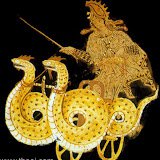





























 Source: Lady Babylon